
Digest: Big Tech Faces Wave of Social Media Addiction Lawsuits; YouTube Raises Bar for Creators
by on 12th Aug 2026 in News
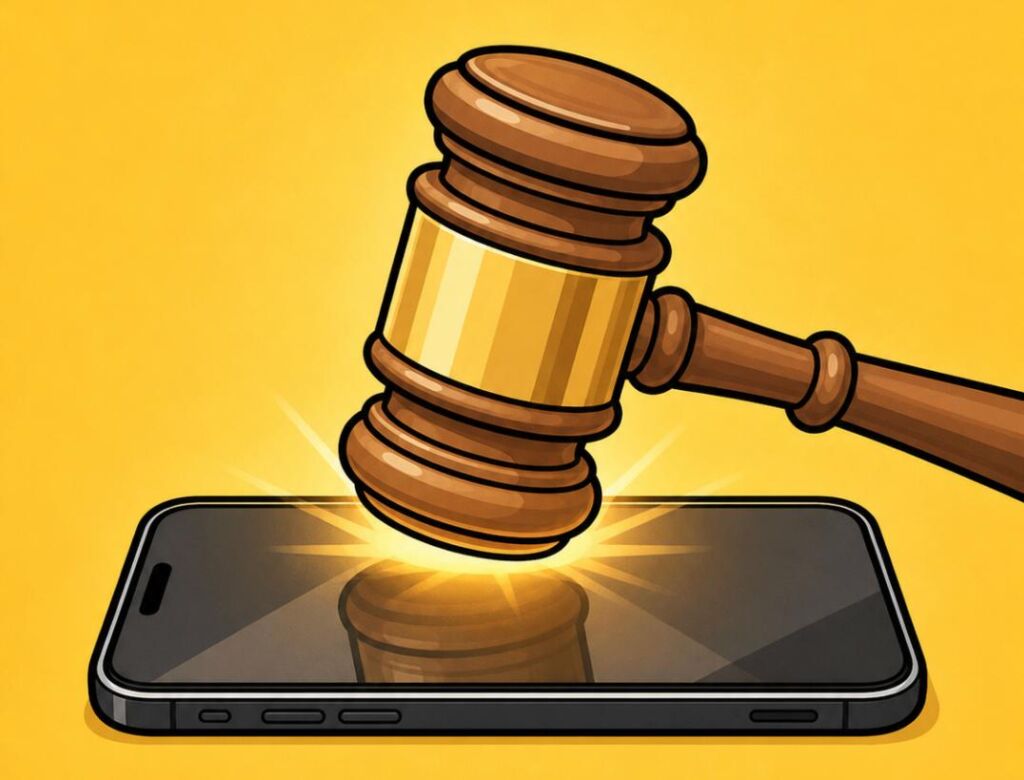
In today's Digest, we discuss an appeals court allowing thousands of addiction lawsuits against Meta, Google, TikTok and Snap to proceed, YouTube raising the bar for creators to join its monetisation program, and Alibaba testing paid tiers for its Qwen AI assistant.
Big Tech faces wave of social media addiction lawsuits
A US appeals court has cleared the way for more than 3,000 lawsuits to move forward against Meta, Google, TikTok, and Snapchat over allegations that the companies deliberately designed their platforms to be addictive to young users. The San Francisco-based 9th US Circuit Court of Appeals rejected an appeal from Meta and TikTok seeking to overturn a lower court ruling that had already ordered the companies to face the federal lawsuits, finding that the appeal had come too soon in the legal process. The companies had argued that Section 230 of the Communications Decency Act, which typically shields online platforms from liability over content posted by users, should also protect them from claims that they failed to warn the public about the addictive design of their products.
The 9th Circuit disagreed with the timing of the challenge, noting that most appeals typically follow a case's conclusion rather than interrupting it mid-litigation.
YouTube raises bar for creators to join monetisation program
YouTube announced that new creators will face significantly higher thresholds to begin earning money through ads and subscriptions on the platform. Under the updated requirements, creators will need at least 8,000 qualified watch hours over the past year, or 20 million qualified Shorts views within the last 90 days, to qualify for the YouTube Partner Program.
This a sharp increase from the current bar of 1,000 subscribers combined with either 4,000 watch hours or 10 million Shorts views. The changes take effect February 1, though YouTube says creators already enrolled in the partner program won't be affected. YouTube framed the changes as necessary to keep pace with the platform's scale.
Alibaba tests paid tiers for its Qwen AI assistant
Alibaba Group Holding is beginning to charge users for premium access to its AI office assistant, as the Chinese tech giant explores whether businesses and consumers are willing to pay for AI tools that remain largely free elsewhere.
According to a listing on Apple's App Store, Alibaba's Qwen app now offers three membership tiers, with annual subscriptions ranging from 200 yuan (£21.91) up to 1,499 yuan (£162) for the top-tier plan. Users can also purchase additional video generation credits separately, priced anywhere from 26 yuan (£2.98) to 968 yuan (£111) depending on usage needs. The core Qwen chatbot itself will remain free.



Follow ExchangeWire