
Digest: EU Says Meta Failed to Protect Users; Google Adds AI Labels to Search & YouTube Ads
by on 13th Jul 2026 in News
In today’s Digest, we cover Brussels ramping up pressure on Meta over its alleged "addictive" platform design, Google expanding AI disclosure rules across Search, YouTube, and Discover ads, and more...
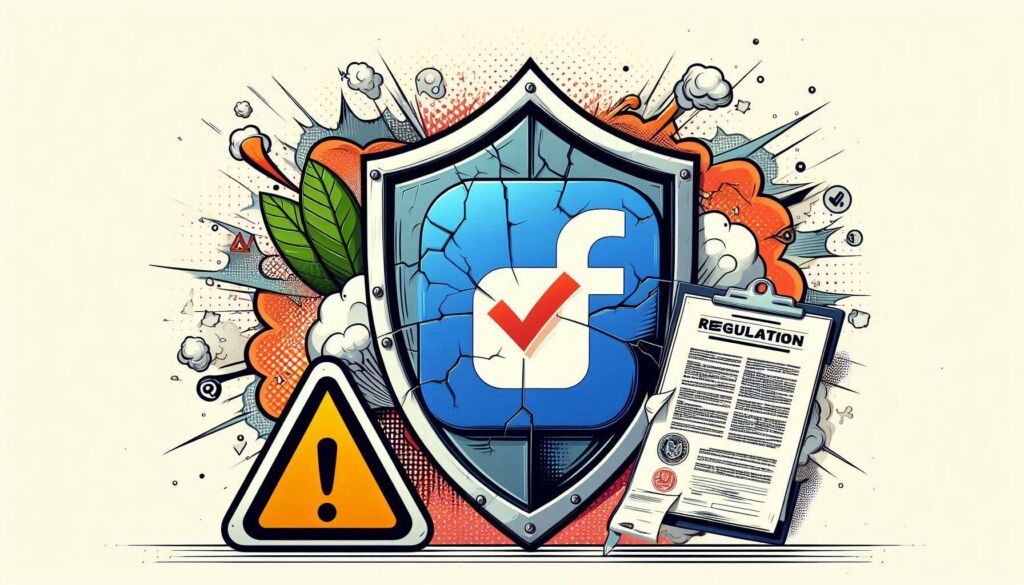
EU says Meta failed to protect users
The European Union says Meta isn't doing enough to protect users' physical and mental health. The concern centres on Instagram and Facebook's design. EU officials call it addictive by nature. The finding escalates an ongoing probe and could lead to heavy fines.
The Commission's findings centre on alleged violations of the Digital Services Act, the EU's sweeping digital regulation that obligates major online platforms to identify and address potential risks their services pose to users. The announcement marks an escalation in Brussels' ongoing scrutiny of the company, raising the stakes for Meta as it faces the prospect of substantial financial penalties.
Google adds AI labels to Search & YouTube ads
Google is adding a "How this ad was made" disclosure to My Ad Centre. It covers Search, YouTube, and Discover ads. The label shows when ad assets were created or edited using AI. My Ad Centre already tells users who paid for an ad. The feature builds on the tool's existing function, which already tells viewers who's footing the bill for an ad, and pushes further than Google's past approach.
Until now, the company only mandated AI disclosures for a narrow category (election-related ads). This update broadens the scope well beyond politics, covering AI involvement in ad production across the board. Ads built using Google's in-house AI tools will be tagged automatically, sparing advertisers any extra work. But those who create or edit ad assets using outside AI software will need to manually flip Google's AI label setting to stay compliant.
Enforcement also won't look the same everywhere. Advertisers targeting audiences in the EU, India, or New York may find their ads carrying visible on-screen overlays, a byproduct of stricter local disclosure laws in those regions.
OpenAI & Google sold AI to blacklisted China groups
OpenAI and Google are supplying advanced AI services to Chinese tech giants blacklisted by the Pentagon. The arrangements are legal, but they've reignited debate over whether the US should regulate AI models the way it already restricts exports of the specialised chips used to train them. OpenAI told the FT it quietly cut off Alibaba-linked API access last month after detecting suspected "distillation," where a competitor mines a model's outputs to boost its own system, and reported the matter to US officials.
The company says it bars access from within China but permits some Chinese-owned or headquartered firms to use its tools abroad, in places where it can monitor for misuse, framing this as a bet that global AI adoption should be "shaped by democratic values" rather than nationality-based exclusion. Google likewise confirmed offering services in Hong Kong and Singapore under anti-distillation rules, while cautioning that geographic restrictions alone are a weak shield since determined bad actors could still find workarounds.
AdvertisingAIEUMetaSearchYouTube





Follow ExchangeWire