
What ChinaJoy 2026 Signals for Gaming
by on 20th Aug 2026 in News
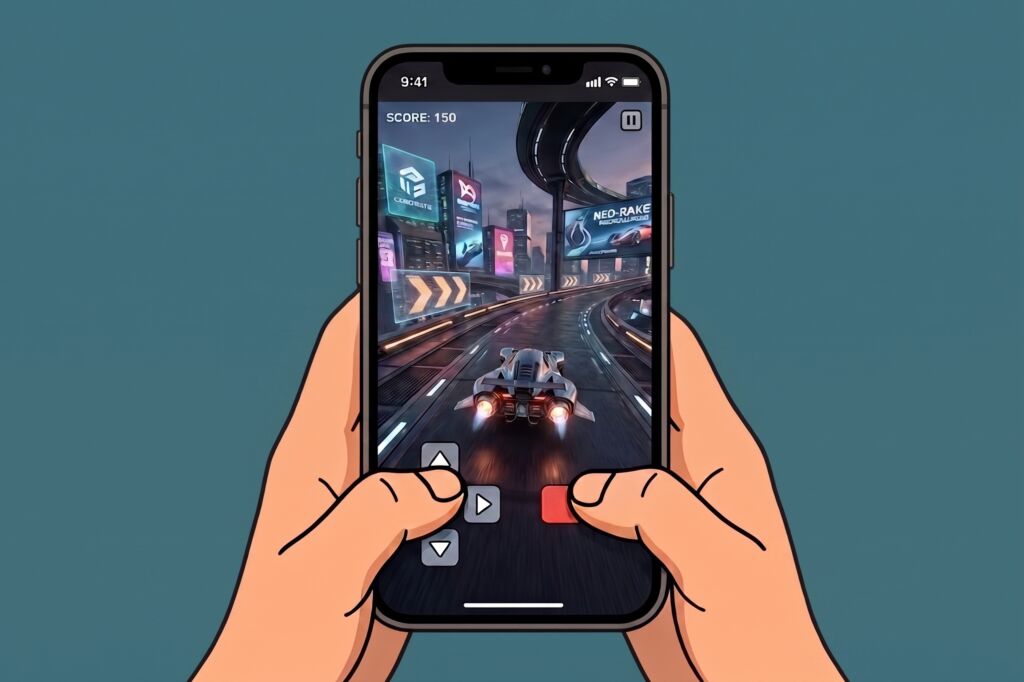
The 23rd China Digital Entertainment Expo and Conference took place this year under the theme "Level up with AI", spotlighting the growing influence of artificial intelligence in the gaming sphere. Zach Jiang, Publisher Partnerships Director, APAC at iion, looks at the key takeaways from ChinaJoy 2026…

ChinaJoy 2026 pointed to where the gaming industry is heading over the next three to five years. After a few days of conversations with industry players and despite their different perspectives, the same themes kept coming up.
Gaming’s traditional silos are breaking down. Publishing, user acquisition, monetisation, brand, and product are merging. They’re becoming parts of a single, connected growth engine built to maximise player lifetime value (and experiences).
Here are the biggest takeaways from the event:
1. Many Western publishers still have limited exposure to China, Vietnam and mini-games
Most Western publishers continue to focus on North America, EMEA, Japan, and Korea, overlooking one of the biggest growth opportunities – China's mobile ecosystem, Vietnam's publishing and development capabilities, and the rise of mini-games are opening distribution channels and business models that many Western publishers have not touched.
These markets aren't easy to enter, but for publishers looking for their next growth engine, they're becoming difficult to ignore.
2. DTC is turning from a UA tactic into a monetisation strategy
Web-to-app, game hubs, direct payments, communities, creator ecosystems, and first-party data are converging onto one platform. Own the player relationship and you own the economics.
3. AI is everywhere; the interesting part is AI plus hardware
At ChinaJoy, AI ran through everything – game ideation, coding, art, UA, ad creative, live ops, support, analytics. What caught my attention more was the hardware. AI PCs, AI phones, AI glasses, AI companions, robotics, and edge devices are all chasing the same prize: becoming the next computing platform.
4. Branding is becoming a growth multiplier
For publishers, brand budgets used to be incremental revenue. Now, good creative improves the player experience, and strong brands lift conversion and retention. Games are one of the few environments left that hold real attention, and attention is the inventory advertisers are short of.
5. The metric that matters is moving from CPI to LTV
UA costs keep rising and the studios doing well have stopped optimising solely for the cheapest install. Instead, they are optimising the full player journey: onboarding, first offer, first ad, retention, and long-term value. Brand is now part of that equation and doing it well can provide a competitive advantage.
6. The ad tech supply chain is getting shorter
Everyone wants a cleaner, more direct line between advertisers and publishers, and the biggest players are already moving that way. The move is all about decoding and identifying the user intent signals that matter in the moments they are most relevant and using them to provide a clear path toward advertiser outcomes.
7. Mobile app monetisation is entering its next chapter
Mediation feels mature. New players will keep arriving, but taking on the incumbents is hard. The next phase comes from wiring monetisation into game design, product, UA and live ops, all pointed at one shared KPI. Adding another bidder or placement will not shift much on its own.
8. UA is shaping game design more than ever
For years we assumed great games led to great growth. Now, it runs both ways. UA economics shape product decisions from day one. As the biggest UA platforms keep dominating acquisition, they'll keep shaping how games get designed and monetised.
9. Smart TVs and CTV are the fight nobody's watching closely enough
Smart TVs are turning from streaming devices into full computing platforms. Gaming, AI, commerce, and advertising are all converging on the biggest screen in the house.
For advertisers, it's premium attention. For publishers, it's a new distribution and monetisation channel. For platform owners, it's the next OS war.
The lines between publishing, AI, branding, user acquisition, monetisation, product, and hardware are blurring. Companies that treat each function as a separate silo will fall behind. The leaders will build connected growth engines aligning product, marketing, monetisation, and AI around one goal: more lifetime value from games people want to play.
ChinaJoy 2026 left me with one thought. The next era of gaming will be won on stronger ecosystems that put the player experience first.
Customer ExperienceGamingMobileMonetisation








Follow ExchangeWire