
You Can Put a Price on Privacy
by on 3rd Nov 2026 in News
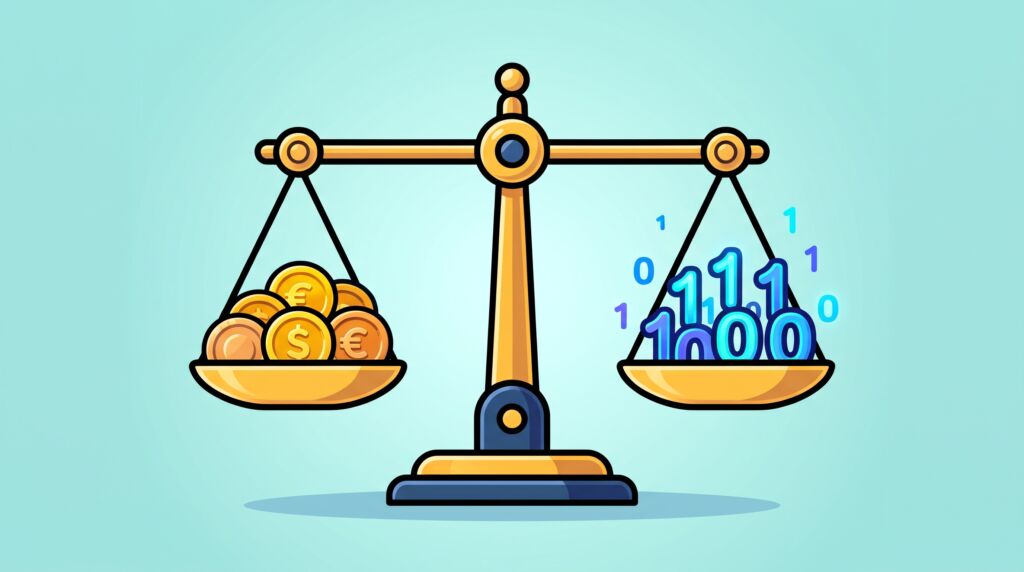
Julie Austin, chief commerce officer at VML, looks at the data value exchange, and if consumers are questioning whether they're receiving a fair share of what they help create…
Would you sell information about where you are, what you buy and how healthy you are?
For 40% of global shoppers, the answer is yes. Our Future Shopper report found that four in ten consumers would consider selling personal data, including their real-time location, shopping habits and health information, to a marketplace in exchange for a monthly income.
It's a striking finding, particularly given how much information consumers already share with brands for free. For years, businesses have collected personal data to improve targeting, personalise experiences and drive sales. In return, customers have received convenience, recommendations and the occasional discount code.
But as consumers realise the commercial value of their information, a question emerges: if brands are making money from my data, what value am I truly getting out of it?
From data consent to data negotiation

Financial pressure is undoubtedly influencing attitudes. Our research found that 59% of shoppers are more worried about their finances than ever before, while 60% are cutting back on discretionary spending.
Against this backdrop, earning money from personal information becomes more appealing. But the bigger story isn't simply whether consumers are willing to sell their data. It's what happens when they see how much that information is worth to businesses. Consumer data helps brands anticipate purchasing behaviour, improve targeting and generate revenue. Yet the benefits haven't always been equally apparent to the people providing it.
As awareness grows, consumers may begin questioning whether they're receiving a fair share of the value they help create. This marks a potential shift from data consent to data negotiation. Rather than simply agreeing to share information, customers could increasingly expect brands to demonstrate why sharing it is worthwhile.
And for retailers, this creates a new battleground for loyalty.
Now loyalty is a question of fairness
Traditionally, loyalty programmes have rewarded transactions. Customers spend money, collect points, and receive incentives to return. But if consumers understand that their information also generates commercial value, rewarding purchases alone may no longer be enough.
The challenge is to rethink what loyalty rewards, and what a fair exchange looks like. At WPP, we call this moving from historical to potential value: investing in who customers could become, not only what they've already spent.
That could mean preferential pricing, better rewards, enhanced services or more meaningful personalisation. When we worked with IKEA Family, the shift was from sending more messages to sending the right ones: one view of each member across 30+ markets, and propensity models predicting what they'd want next. In markets with rewards, purchase frequency rose and more members chose to identify themselves when they shopped. That second number is the real signal. Customers share more when it's worth their while.
The distinction matters. Using data to encourage additional purchases primarily serves the retailer. Using it to genuinely improve the shopping experience gives customers a reason to return.
But brands must be careful about where they start. Once a retailer explicitly rewards customers for sharing information, it establishes an expectation that their data has measurable value.
A more rewarding relationship with one brand could quickly make another's loyalty proposition feel inadequate. Once consumers begin evaluating brands through that lens, the dynamics of customer relationships could change considerably.
Shoppers are thinking like creators
Early social media creators generated content and built audiences while platforms captured much of the commercial value. As creators recognised their contribution, they demanded a greater share of the revenue they helped generate, and platforms adapted. Consumer data could follow a similar path.
As shoppers see that their information contributes to a business's commercial success, they may increasingly expect a share of the benefits. The lesson isn't that every piece of information needs a monetary price. It's that once people understand the value they create, their expectations of a fair exchange change.
Some brands are already putting a number on it. Amazon's Shopper Panel pays US customers a monthly reward for uploading receipts from other retailers. In the UK, Gener8 lets people earn from the browsing data advertisers would otherwise collect for free. Others are rewarding engagement rather than spend. Our work with Wendy's rebuilt its loyalty app around regular use, not just the checkout, lifting membership and loyalty sales on year.
For retailers, this could reshape loyalty altogether. Brands that establish compelling value exchanges may set a new benchmark against which competitors are judged.
This gets more pressing as AI agents start shopping on our behalf. An agent that holds your sizes, budget and dietary needs will carry that data from retailer to retailer, and use it to negotiate. The negotiation over what data is worth won't happen at the checkout. It will happen between machines, before a human ever sees the shortlist.
The next battleground for customer loyalty
The opportunity is to move beyond treating customer data as something to collect and towards using it to build mutually beneficial relationships.
Future loyalty programmes could reward information customers actively choose to share, through financial incentives, exclusive benefits or services that make shopping better.
But there are important boundaries. Knowing someone's clothing size is different from accessing their health information or tracking their movements. Greater access to data demands stronger protections, transparency, and a clear purpose.
Financial pressure mustn't become a reason to exploit consumers' willingness to disclose information they'd otherwise protect. Participation should remain voluntary, with customers retaining control over what they share and how it's used.
Importantly, the 40% finding reflects willingness, not evidence that consumers will necessarily sell their information. Nor does it mean every type of personal data should be commercially traded.
Nevertheless, it signals a potential shift in how consumers evaluate their relationships with brands.
For years, businesses have measured loyalty through what customers spend and how frequently they return. But as the value of consumer data becomes more apparent, brands may increasingly be judged on what they give back.
Retailers need to think carefully about the value exchanges they establish today. Once customers recognise that their information has a price, it's difficult to return to a relationship where they're expected to give it away without question.
Agentic CommerceCommerce MediaConsumerDataecommerceLoyaltyRetailSocial Commerce









Follow ExchangeWire