
Understanding Agentic Protocols With Adform's Jochen Schlosser
←Back to Indexby on 23rd Sep 2026 in TRADERTALK
In this TraderTalkTV episode, Jochen Schlosser, CTO / CPO at Adform, joins ExchangeWire co-founder & advisor Ciaran O'Kane at the legendary whiteboard to explain agentic ad tech protocols.
Agentic AI protocols have been dominating chats within the ad tech industry, with two competing ones in the space right now: the IAB Tech Lab's Agentic Advertising Management Protocols (AAMP) and the Ad Context Protocol (AdCP). These will knit up the entire ecosystem by providing a layer for agents to work together.
Jochen gives a buy-side perspective of what agencies and brands are seeing in the landscape. In the future, these protocols may be used to run systems more autonomously. At present, however, industry demand is centred on assistance, efficiency, and ease. Clients seek conversational, native agents within platform user interfaces or LLM environments to find new inventory and bypass complex setup menus.
Role of Agentic Protocols
The primary objective of both AAMP and AdCP is to streamline campaign setups, including how clients discover and negotiate inventory opportunities. Today, accessing premium ad inventory is highly fragmented, presenting different operational hurdles. Less mature clients require assistance with inventory access, while more mature clients seek to improve efficiency.
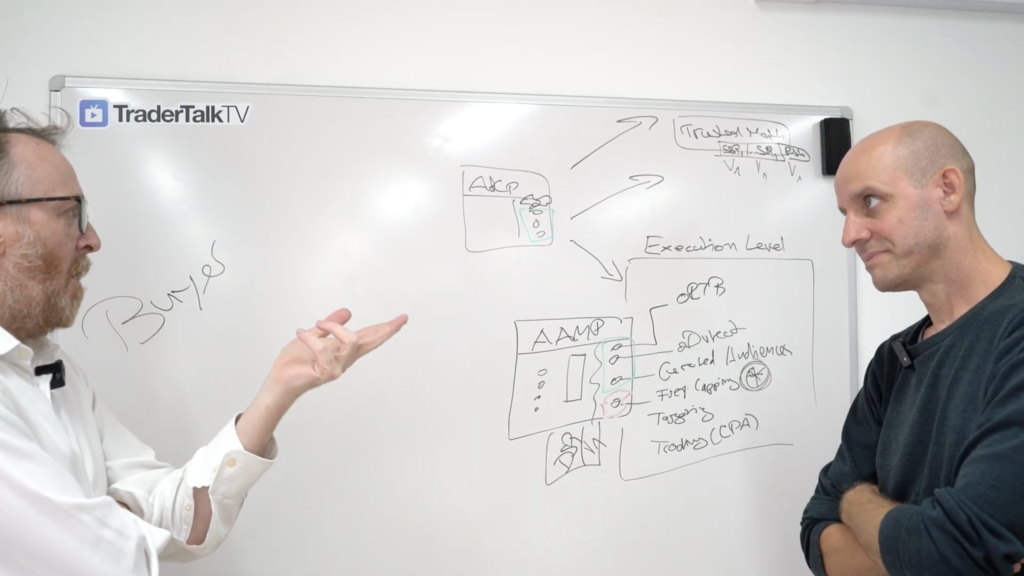
The protocols address these challenges by aggregating publishers and SSPs behind agentic interfaces. Clients can then query these interfaces for premium inventory that is otherwise hidden from the open market. This includes finding and activating inventory across various deal types such as IOs, programmatic deals, and alternative transaction structures.
AAMP Vs. AdCP
While both protocols aim to simplify inventory discovery and negotiation, they take divergent approaches to handling the underlying execution layer. AdCP has the potential to break silos, while AAMP builds on top of them.
AAMP is designed as an evolution of the existing ad tech infrastructure, building dedicatedly on OpenRTB. Clients can also utilise OpenDirect, Curated Audiences, and all the general capabilities available in existing large stacks such as frequency capping, targeting, and trading optimisations. While media can be deployed across different channels, the execution layer has to run on OpenRTB.
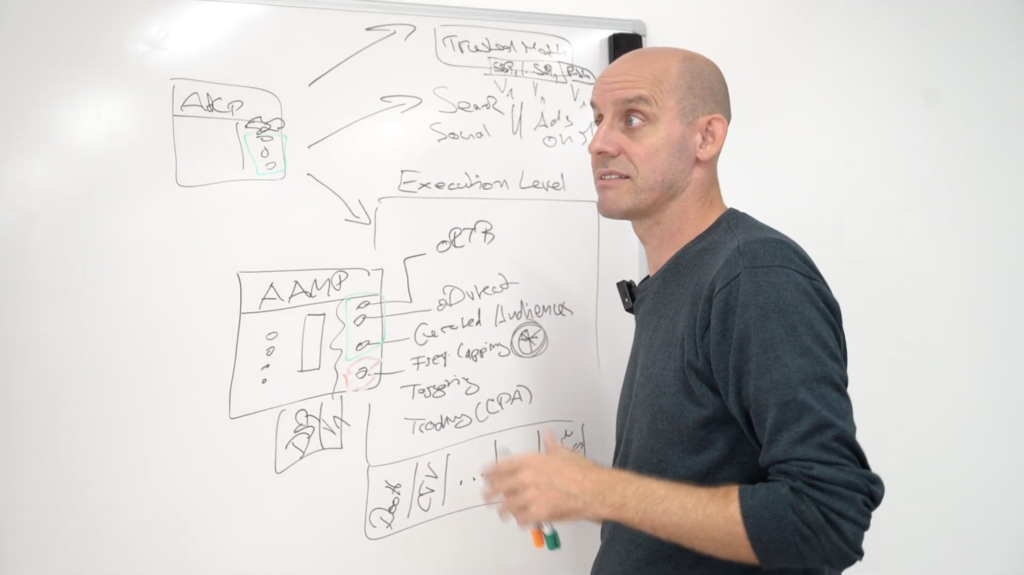
AdCP has the same functionality as AAMP, but adopts a more agnostic view. It does not care which execution layer a client uses; it simply specifies what the execution layer should do. This provides a lighter, more abstract definition layer for clients and lets them run a campaign that does everything from one box. However, this also means the channels may not follow the same measurement criteria or transparency requirements. There is more work to be done on the sell side for complex use cases.
Market Adoption and Future Outlook
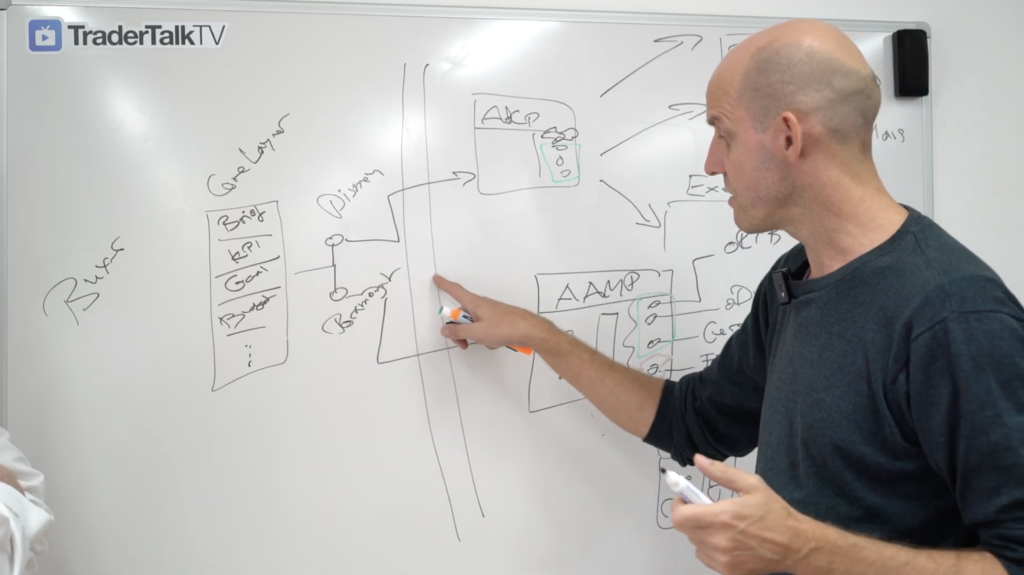
Despite their different philosophies, Jochen stated that buyers and sellers need not care too much which protocol is used – it should be completely abstracted away. Platforms like Adform plan to build a core layer to handle both systems. This unified system will ingest campaign briefs, KPIs, goals, budgets, etc. It will then use specialised port connectors to communicate with different sellers based on their preferred protocol.
For publishers and channels that already operate on legacy OpenRTB infrastructure, adopting AAMP represents a lower development barrier. Conversely, for publishers in emerging channels like CTV that do not use OpenRTB, deploying AdCP may offer a simpler path to test and activate IOs.
Ultimately, buyer demand will dictate adoption. Over time, the protocols may merge, coexist, or one may become dominant. In any scenario, the underlying engineering requirements of real-time execution will keep both protocols technically heavy.




Popular Tradertalks


Latest Posts
-
 When AI is Everywhere, Where Does Original Thinking Come From?
 -
 No CTV, No Choice: The Media Conditions of the Past
 -
 Digest: Paramount Clears Legal Hurdle Ahead of Warner Merger; Amazon Bars Meta’s Muse From Agentic Shopping
 -
 Why a Three Hour Epic Still Captures Our Attention
 -
 Digest: Infillion Acquires Foursquare; McCann Merges FP7 & MullenLowe in MENA
Follow ExchangeWire