
GTA VI and the Attention Supply Problem
by on 26th Oct 2026 in News
Participation beats impressions. Fandom beats frequency. Intent beats awareness. Ashley Bolt of Arena Media UK argues that marketing’s biggest winners will be the ones who planned by those rules…
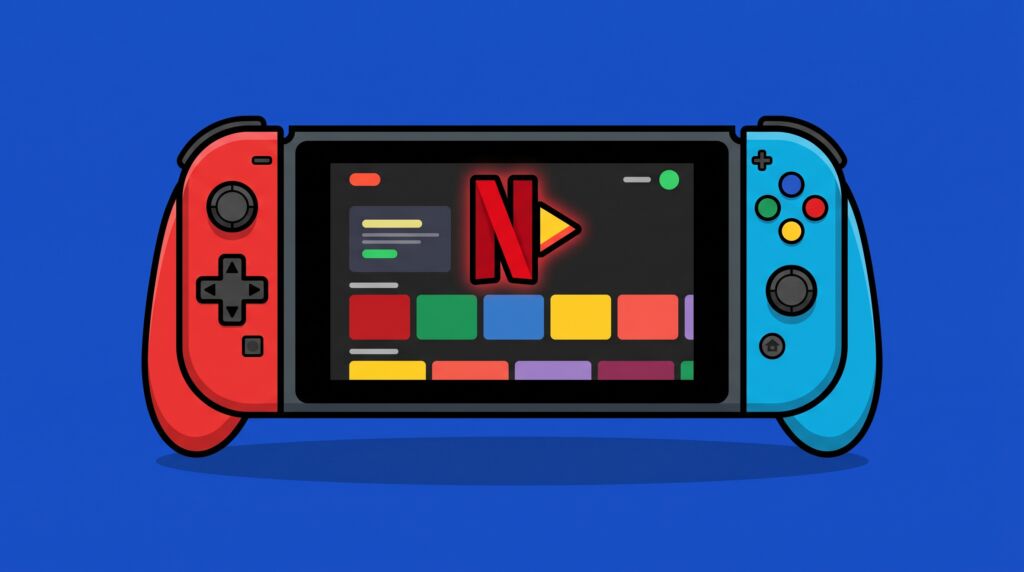
On 27 August, perhaps the most anticipated gaming trailer in history didn't premiere on television. It didn't premiere on YouTube. It premiered on Netflix.

'Grand Theft Auto VI: An Extended Look' sat exclusively on the streaming service for six hours before reaching Rockstar's own channels. No major game reveal had ever sat behind a streaming paywall ahead of the publisher's owned channels. This led to 31.1 million views in four days, over 100,000 new US Netflix sign-ups in the exclusive window, and pre-orders up 436% on the day. All just days after a week of leaked gameplay footage. The audience turned up anyway.
Compare that with GTA V which ran a campaign of roughly 22 months, five trailers, television buys, billboards, magazine covers, radio. Take-Two CEO Strauss Zelnick has been clear this time is different: a campaign reflecting where audiences and attention are today, not where they were in 2013. "We won't be buying a lot of network television," he said.
Consumers had already validated the approach. Newzoo calls GTA VI the strongest pre-order campaign ever recorded, around USD$260m (£194m) in the first week, with Rockstar generating that from two trailers and a price announcement.
Rockstar is spending but the interesting point is where and when. The campaign looks to be compressed close to launch (and beyond), weighted to cultural placement over paid impressions, and premiered where the audience actually gathers. Did Rockstar pay for that airtime? I assumed not, and I even wondered whether streamers had been bidding for it. As it turns out, Rockstar approached Netflix. It didn't sell the moment or buy airtime, it chose a stage.
For a while now I've argued that gaming marketing runs on three principles the traditional funnel can't explain:
- Participation beats impressions
- Fandom beats frequency
- Intent beats awareness
The Netflix premiere proved all three in a single afternoon. It was an appointment to view, not reach, with 100,000 people paying to watch something six hours early that would be free that evening. Nobody does that for an impression. It worked because thirteen years of GTA Online and community culture have done the frequency job for free, strong enough that a week of leaks barely dented it. And the pre-order record was intent captured before the campaign proper had begun. Rockstar isn't chasing awareness; it already knows who is buying.
The launch has caused issues with other publishers. While trying to avoid competing with GTA (understandably), the industry has created two issues.
The first wave is already here. November has emptied, with no other major AAA title scheduled against GTA VI's 19 November launch. Xbox moved Fable to February 2027 and CI Games moved Lords of the Fallen II into Q1 2027, both citing a crowded holiday period, which is rational. But the titles that fled November didn't move far. The Blood of Dawnwalker and Onimusha launched a day apart in September, alongside Wolverine, with Call of Duty and more stacking up in October. And the second wave is forming behind it, with February 2027 alone holding Fable, Tomb Raider, Persona 4 Revival, and Metro 2039, all competing for a consumer whose wallet has been strained by GTA VI and the cost of consoles.
Publishers moved to avoid one issue. They've scheduled two more.
This isn't just a sales problem. It's an attention-supply problem. Around 19 November, gaming's entire discovery apparatus, creators, streamers, feeds, press, will be consumed by a single title, and the cost of reaching gaming audiences will inflate as demand piles into the surviving windows.
For publishers in the September–October corridor, buying more impressions into that noise is the expensive way to lose. The winners will engineer participation, demos, community moments, creator-led beats that give players something to do, not just something to see.
For those who moved to early 2027, the reprieve is partly an illusion. The smart use of the waiting time isn't sitting back, it's creating intent now. Wishlists, demo downloads, and Discord sign-ups don't decay the way awareness does.
And for non-endemic brands, it's Rockstar's moment, and fandom is exactly why you can't gatecrash it. Netflix didn't gatecrash or force a connection, it was invited in. The opportunity with GTA sits at the edges, the platforms and communities the launch energises but doesn't own. These are the areas that brands willing to earn their place can leverage.
Rockstar has effectively published a take on modern attention. Compress the campaign, weight it late, place it culturally, and let the audience's own networks do the distribution. Very few others have that luxury. For everyone else, the next twelve months are a stress test of planning discipline.
Participation beats impressions. Fandom beats frequency. Intent beats awareness. The winners of the GTA VI era won't be the ones who spent the most, they'll be the ones who planned by those rules.
AttentionAudienceCampaignGamingMarketingNetflix







Follow ExchangeWire