
GumGum's Travis O'Neil on the Mindset Graph & Relevancy Spaces
←Back to Indexby on 21st May 2026 in TRADERTALK
In this Trader Talk TV episode, Travis O'Neil, vice president of product at GumGum, joins ExchangeWire COO Lindsay Rowntree at the legendary whiteboard to explain the Mindset Graph and relevancy spaces.
GumGum operates as an ad exchange, primarily an SSP, with a long-term focus on contextual technology, attention infrastructure, and a new mindset infrastructure. The company serves rich media, high-impact display units, and CTV formats.
The updated Mindset Graph represents a significant evolution from contextual targeting to mindset targeting, which analyses a user’s recent short-term activities and various real-time signals. This enables dynamic, highly relevant ad serving by identifying fluctuating “relevancy spaces” instead of relying on static audience segments.
What is the Mindset Graph?
The original version of the Mindset Graph excelled at understanding a single moment by linking contextual segments, such as sentiment and emotion, with attention. The new version expands on this by analysing a person’s recent activities (minutes or an hour ago) to understand their states of mind in various contexts, without rebuilding long-term user profiles.
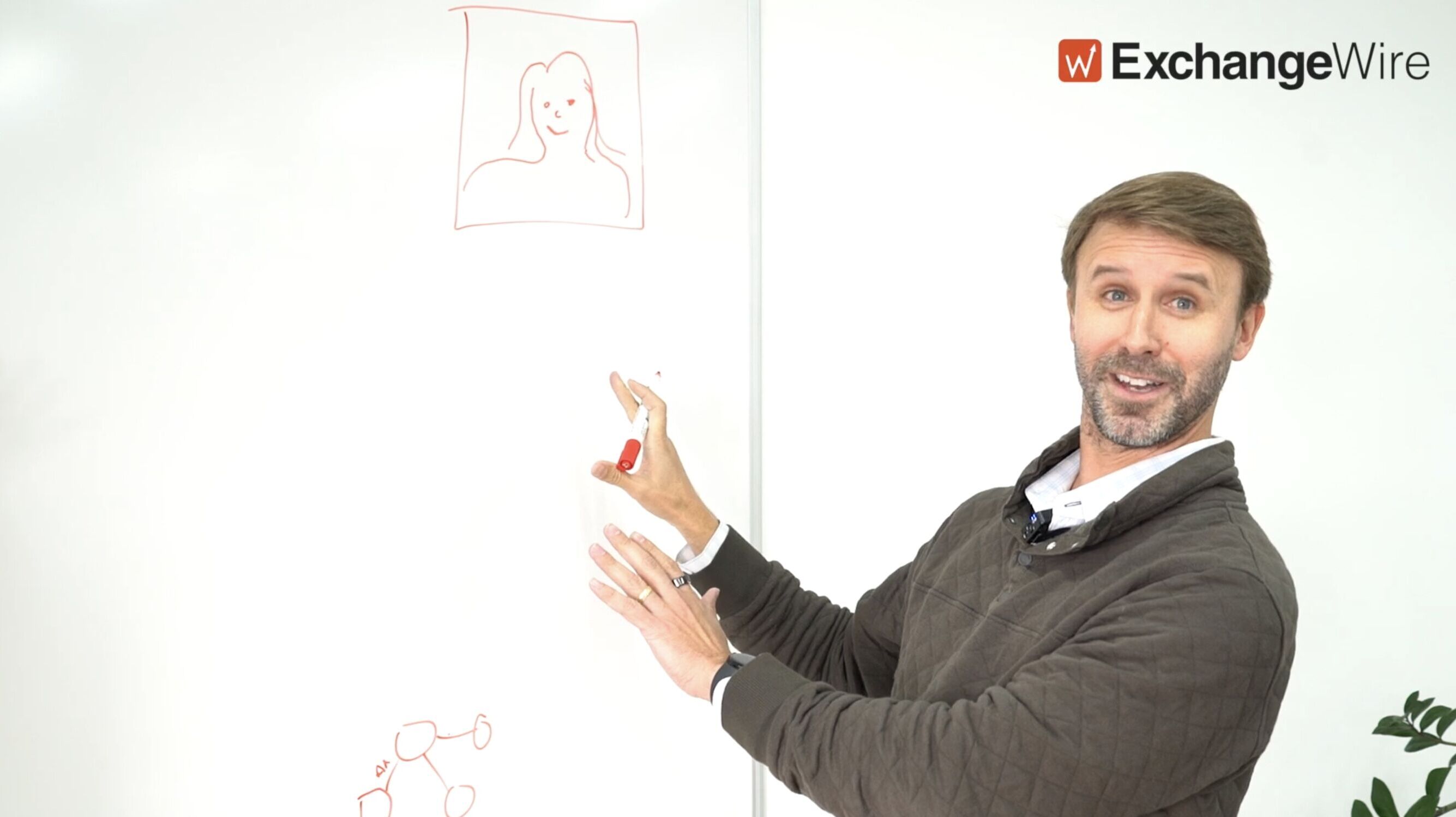
The Mindset Graph aims to understand why a person is present in a specific instant, not just "who" or "what". Two people in the same place looking at the same thing (eg. the Mona Lisa) can have vastly different mindsets. The goal is to serve ads that are receptive and relevant to an individual’s experience in the current moment.
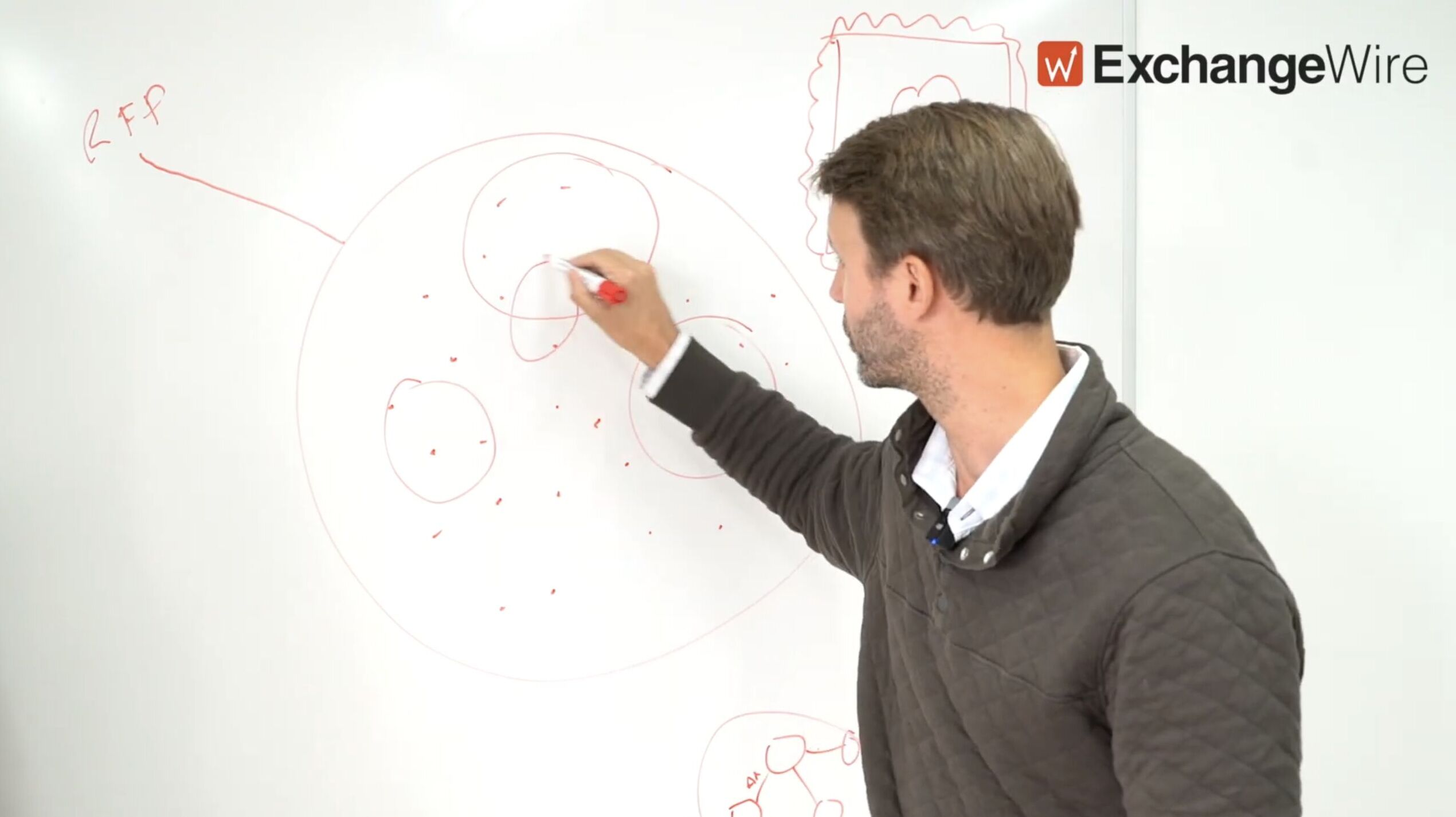
The system aggregates various “moment snapshots” which include contextual information, device, weather, and other real-time signals from the bid stream. When an advertiser provides an RFP, the system identifies “relevancy spaces” where a user might be receptive to an ad (eg. 5am vs. 5pm). It then analyses outcomes like conversions or brand lift to find high-performing micro-segments within these spaces.
Mindset Data Applications
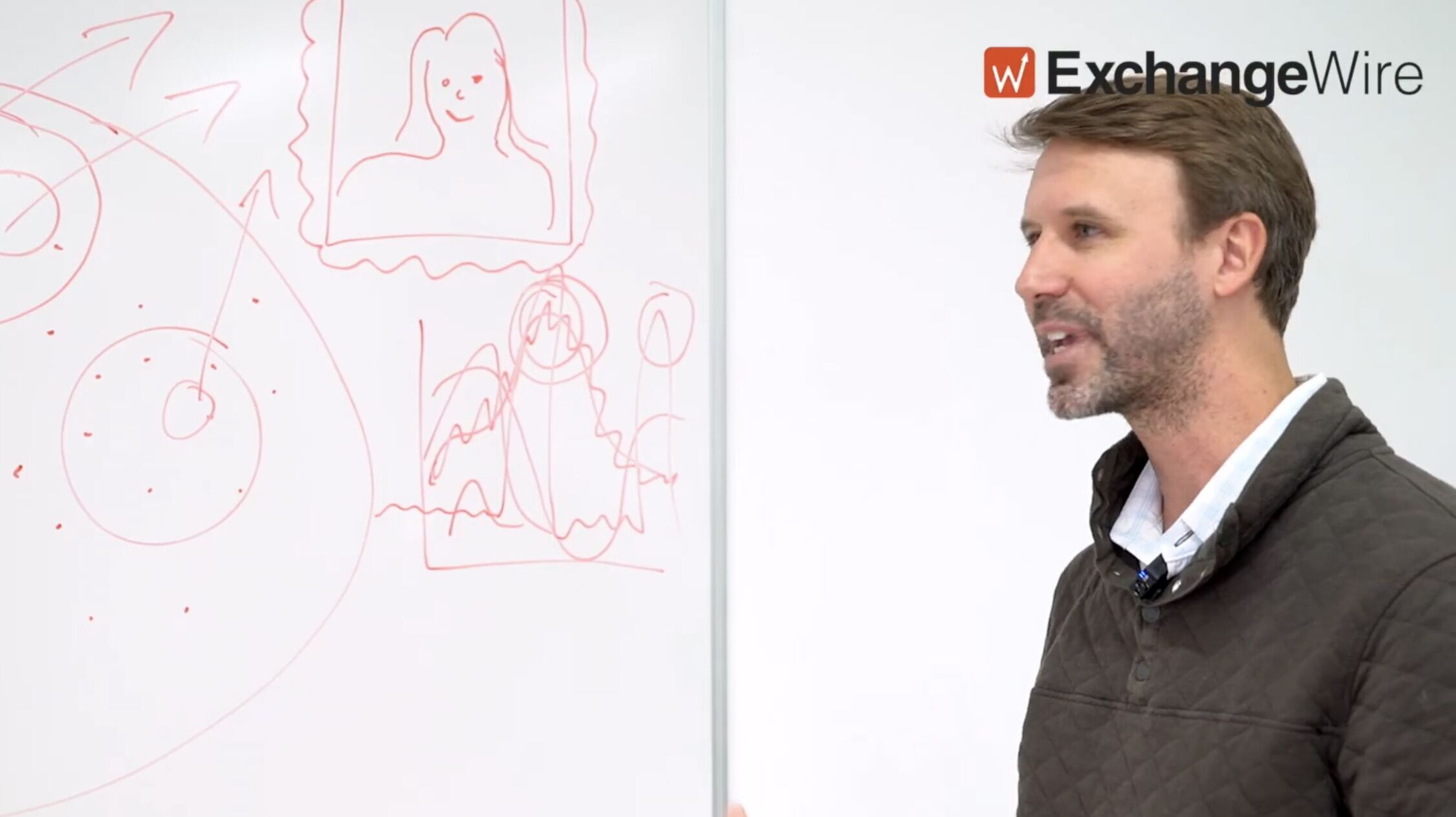
The importance of different signals fluctuates over a campaign’s duration. For example, a specific contextual segment might spike in importance during major holidays, and cutting it based on average performance would miss these key opportunities. The Mindset Graph constantly adjusts to these waves over time, unlike traditional binary optimisation where underperforming signals are cut entirely.
The rich signal environment of the open web (eg. scroll rate, device switching) can be applied to CTV, which has fewer available signals. By linking this data to an ID, the system can infer a user’s mindset while they are watching TV, even if they are multitasking on a second screen. This enables more intelligent ad serving by understanding whether the user’s attention is fragmented or focused.
The platform also integrates creative analysis into its process as part of the RFP response. A newly released feature allows advertisers to upload existing creative and receive recommendations on how to best leverage it, ensuring the creative messaging aligns with the targeting strategy for maximum impact.
Future Development of the Mindset Graph
A primary development area for the Mindset Graph is incorporating more high-quality signals to enrich its strong, contextual foundation. For example, integrating sports data from GumGum’s sports measurement arm, Relo Metrics, would reveal whether a team’s win or loss meaningfully changes the makeup of individual moment snapshots.
The roadmap also includes exploring ways to make this mindset data accessible for activation on other SSPs besides GumGum's, allowing advertisers to apply the insights across a broader range of formats and experiences.











Follow ExchangeWire