
The Trade Desk's Simone Krakowiak on the Omnichannel Approach
←Back to Indexby on 17th Sep 2026 in TRADERTALK
In this TraderTalk TV episode, Simone Krakowiak, GM business development, advertiser at The Trade Desk, joins ExchangeWire CEO Rachel Smith at the legendary whiteboard to discuss the shift from single-channel to the omnichannel approach.
Omnichannel is about putting the consumer at the core, not simply buying more media or lighting up every channel. In today's media landscape, consumers are constantly exposed to a range of formats and environments (mobile, out-of-home, retail, etc). Central to omnichannel is connecting all of the channels, ensuring they are tracked together in a meaningful way.
Simone encourages planners to have top of mind that we live omnichannel lives. By putting themselves in the shoes of the consumers, they can determine if their plan is reflective of genuine experiences. Second is making sure that they're taking advantage of the full open internet, which is rich with premium experiences and touchpoints, making it fertile ground for engaging with consumers.
Role of Data and Technology
Today, technology underpins everything with an invisible layer of data. This enables media planners and buyers to understand the different channels as well as connect an individual to all the various exposures. By automating manual data work, it also frees them up to focus on higher-value, strategic activities that lead to stronger outcomes.

Data and identity are both essential to omnichannel; they help marketers make sense of what their consumers are engaging with and how everything interrelates to each other. Channels produce varying effects when added together or put in different orders. Technology consolidates everything into one platform, translating this data into trends that can then be put into actionable items.
Shift from Siloed to Connected Planning
Before technology came into play, media planners and buyers used to orientate themselves around individual channels. The result of that was marketers formulating siloed teams with separate budgets and objectives, all underpinned by different types of measurement, which could create inconsistent or sub-optimal experiences for consumers.
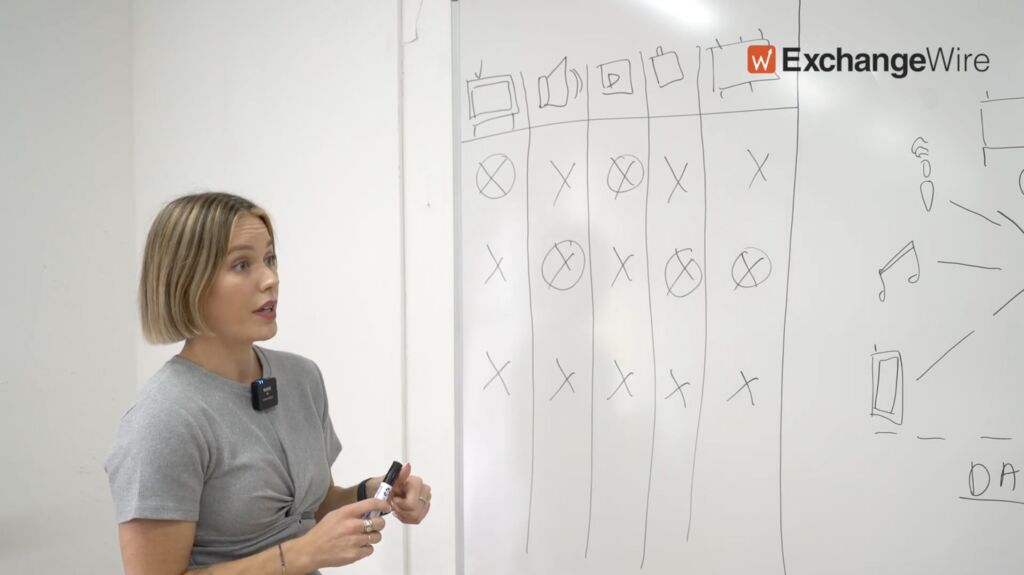
A study run by The Trade Desk in conjunction with PA Consulting found that balanced omnichannel campaigns are 2.2x less cognitively fatiguing than heavy exposure on a single channel. Furthermore, every channel and exposure plays a different role. With an omnichannel approach, we can hand-select every exposure that is in front of a consumer, ensuring that not one single exposure is taking all the credit for the many different channels along the journey.
Omnichannel Success
One of the drivers of omnichannel campaign success is a common measurement framework so media planners and marketers can understand how they are measuring across a whole campaign. Pairing that with robust measurement roadmaps is key – teams must be rigorous with how they roll out testing frameworks so they can take the learnings and continuously iterate for the next.

Using a persistent identifier is crucial. Ensuring that media is addressable and measurable will provide the most robust view of campaign performance. Equally, teams should be having conversations about what success looks like, sharing their KPIs, and making sure things make sense throughout the whole funnel.
ConsumerMeasurementOmnichannelPerformancePlatformsTechnology











Follow ExchangeWire